
Dinglong: Striving to be a supporter and leader in material innovation for the semiconductor display industry
Category: Media coverage
Release time: 2024-05-07
Summary: Dinglong always adheres to the application needs of downstream display customers, always adheres to long-termism, and strives to be a comprehensive service provider and innovation leader of domestically produced materials in the display industry!

Introduction: In 2023, Dinglong Co., Ltd., with its amazing determination and innovative spirit, led the domestic OLED display industry to achieve a landmark milestone: It achieved the industrialization goal of an annual production capacity of thousands of tons of PSPI photoresist. To this day, Dinglong (Xiantao) Semiconductor Materials Industrial Park has not only stably produced multiple batches of OLED display PSPI photoresist products, but has also successfully delivered them to downstream clients, further ensuring the security of China's new display industry supply chain Furthermore, with its commitment to technological innovation and independent supply, it has promoted the vigorous development of China's new display industry.
Looking back ten years, Dinglong Co., Ltd. drew inspiration from the "three primary colors" of its traditional main products—color toner—and successfully transformed into the new field of OLED "display three primary colors". 。 In 2017, Dinglong Co., Ltd., using its independent subsidiary Rouxian Technology as a platform, focused on flexible display material business and officially entered the material branch of the third-generation mainstream OLED display technology. At the same time, the company also proactively deployed key "bottleneck" materials in the LCD, Micro-LED display fields and advanced packaging, demonstrating its profound market insight and technological strength.
This year marks the seventh year that Dinglong Co., Ltd. has been in the semiconductor display material industry. In order to maintain the continuous competitiveness of its products and keep up with the speed of technological iteration of downstream clients, the company has followed the main line of PI high-performance materials, continuously expanding and developing more than 30 "bottleneck" material products, including polyimide (YPI), photosensitive polyimide (PSPI), black photoresist (BPDL), PI alignment liquid, thin-film encapsulation ink (TFE INK), and encapsulation photoresist. Dinglong Co., Ltd. has thus become the only innovative material platform company in China's semiconductor display material field that can benchmark against more than a dozen international giants, providing customers with a full range of innovative material products and technical service solutions.
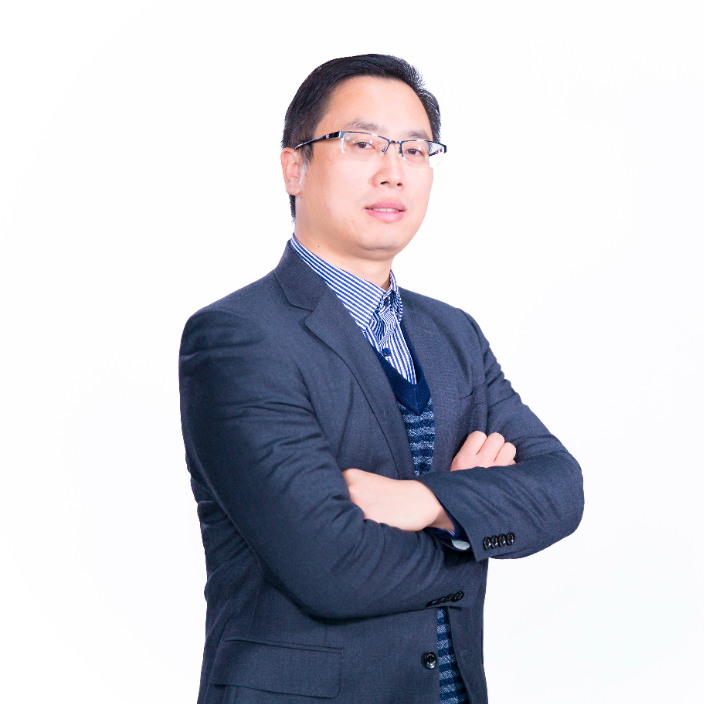
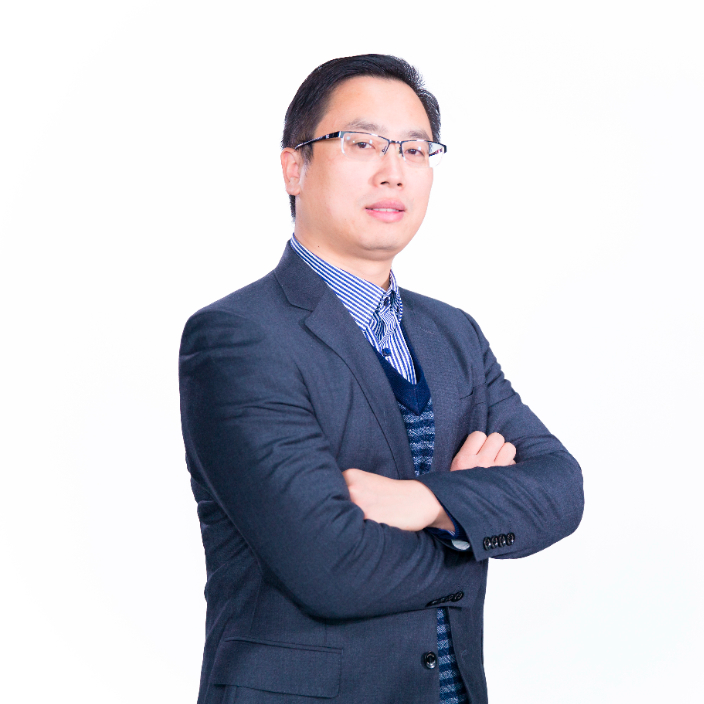
Against this backdrop, we are honored to invite Dr. Xiao Guilin, Group Vice President of Dinglong Co., Ltd., who will share Dinglong Co., Ltd.'s unique insights into display material products, business layout, and the development of the semiconductor display material industry from the perspective of "material products and technological innovation in the semiconductor display field".
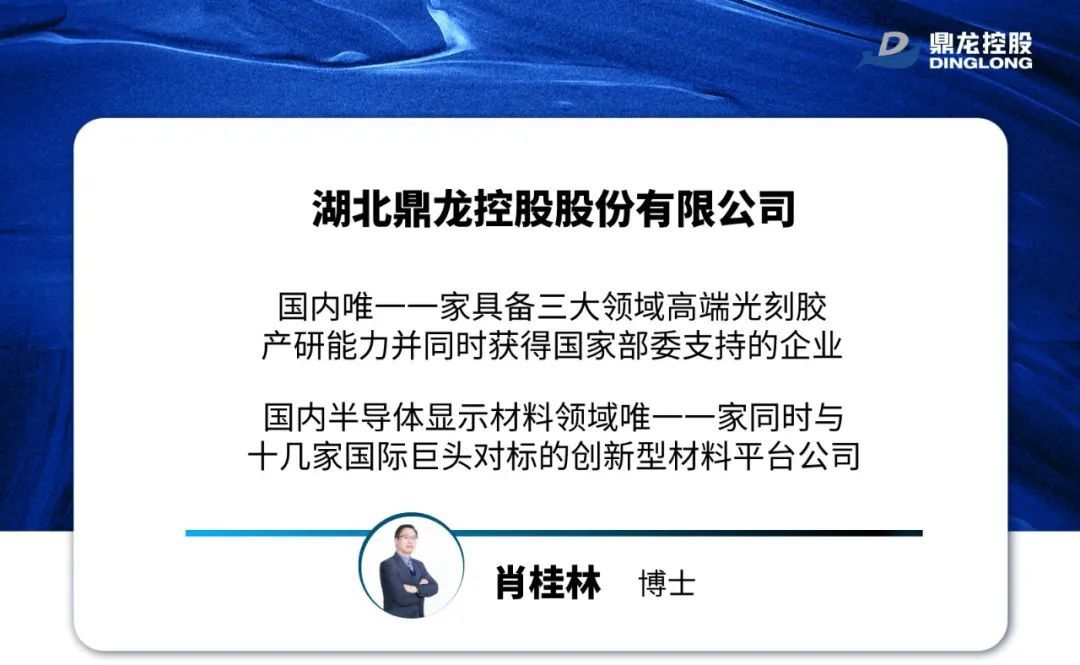
For many years, Dinglong has continuously tested and improved materials in interactive R&D with downstream clients, and at the same time, it has built a more complete product matrix around the urgent needs of downstream clients, striding towards the direction of a "one-stop supply platform" for high-end electronic materials. Currently, it has deployed more than 30 "bottleneck" material products in the semiconductor display material field, and has almost covered all major product categories except for light-emitting materials. Based on its understanding of material products, it quickly extended its product line to the semiconductor packaging field.
Dinglong's ability to seize the opportunity to quickly transform and complete its product layout is mainly due to the establishment of seven major technology platforms, which have achieved horizontal technological empowerment among product lines and vertical integration of the industrial chain. Since its establishment, Dinglong has always adhered to the principle of "benchmarking against international giants and insisting on innovation empowerment," repeatedly breaking international monopolies. Over the years, it has learned from international giants in the process of catching up, building seven major technology platforms, and accumulating a successful model for designing product matrices and supporting key raw materials.
Secondly, it has established good relationships with customers, enabling it to understand and solve problems in a timely manner. As Dinglong solves more and more problems for its customers, customers become increasingly confident in Dinglong's technological strength, gradually getting used to "seeking help from Dinglong when encountering difficulties." Dinglong is also able to understand customer needs and invest in R&D in a timely manner.
Dinglong's platform advantages and customer support have accelerated Dinglong's understanding of materials in different fields. Based on valuable experience in monomer synthesis, formula design, structure-activity relationships, and application evaluation, Dinglong can further extend its product line to more key material fields in the future, based on downstream applications and its own technological reserves. The future market has broad growth potential.
2017 With the adoption of OLED screens by iPhones, the development of OLED displays has entered a new stage. The penetration rate of OLED in smartphones in 2023 is expected to reach 51%, and new models above 2000 yuan generally adopt OLED. In the future, with the increase in foldable screens, the improvement of the penetration rate of medium-sized products, and the increase in wearable devices the applications of flexible displays in automotive displays, laptops, tablets, smartwatches, and smartphones will continue to increase, and the downstream operating rate will remain high, thus driving demand in the upstream material field.
Dinglong's main mass-produced and sold products in the OLED process are YPI (yellow polyimide slurry), PSPI (photosensitive polyimide), and INK (flexible display packaging material), and they have been fully equipped on mainstream brand OLED mobile phones on the market.
① Photosensitive polyimide PSPI: Dinglong is a leader in the domestic production of PSPI. Monthly sales have exceeded ten tons, and are in a continuous and significant growth trend, breaking the near 20-year monopoly of Japanese companies. It is the first domestic company to achieve mass production and large-scale sales. In terms of capacity construction, the company has completed a 200-ton industrialization project at its Wuhan headquarters and a 1000-ton phase II expansion project in Xiantao, providing strong capacity support for subsequent acceleration of volume production to meet order growth.
② Yellow polyimide slurry YPI: Dinglong is the only company in China with a thousand-ton-level, ultra-clean, fully automated YPI production line. Currently, the company's order share on the G6 lines of various core customers in China is continuously increasing, and it has fully entered all core flexible panel factories in China. It has become the first supplier of YPI products for some mainstream panel customers in China.
③ Panel packaging material TFE INK: Dinglong's TFE-INK products received their first purchase orders from leading downstream display panel customers in the fourth quarter of last year, and the low dielectric encapsulation ink INK has entered the verification stage.
In addition, products such as OC (low temperature, high refractive index), black PDL, fluorine-free PSPI, and PI orientation liquid have been successfully developed. Some of these products have successfully entered the sample testing phase and will become key drivers of growth in the display business. Furthermore, Dinglong's PSPI products can also be extended to the advanced packaging field of semiconductors, further expanding the application space of the products. Currently, multiple models of products adapted to the different process needs of different customers are undergoing verification at multiple wafer manufacturing clients simultaneously.
Currently, terminal applications are developing from "smart" to "intelligent," which refers to AI. 2024 is considered the "AI phone year" by the industry. The AI phone era will be the third stage of the mobile phone industry, following feature phones and smartphones.
Major mainstream mobile phone brands are competing fiercely in the AI phone track, but they have gradually discovered problems such as limitations on the hardware resources of mobile phones and the power consumption required for large model operation. To solve these problems, major domestic panel manufacturers have also proposed new technological routes to further improve the hardware's support capabilities for software.
As a material manufacturer, Dinglong is cooperating with customers on display technology innovation and material innovation. For example, the black PDL product, which has completed verification on the G4.5 generation line, is a photosensitive polyimide (PSPI) material that uses a black base material to replace the original PDL raw material. This is a technology that is in sync with international standards and is a domestic first. In the industry, this technology of placing the color filter on the thin-film encapsulation is called COE (Colorfilter On Encapsulation). It has the function of replacing the polarizer, has a lower thickness, improved bending performance, and is more conducive to flexible screens. At the same time, its brightness is higher than that of OLED screens with polarizers, which means that under the same brightness conditions, screens with COE technology have lower power consumption and longer lifespan.
Not only in the mobile phone field, but also in the future applications of medium-sized PCs, automotive, monitors, medical displays, etc., mainstream domestic panel manufacturers have proposed different technological routes, such as EVEN evaporation encapsulation routes, FMM-less MASK routes, and IJP inkjet printing routes.
These OLED medium inch technological routes have high requirements for materials. In addition to the application of black PDL, Dinglong's low dielectric INK products 。 Low dielectric INK is a packaging material for OLED devices. It cures into a film under specific conditions, forming an organic flat layer with excellent optical and mechanical properties, while also providing water and oxygen barrier protection. This material has a low ability to bind electrons, which helps improve the touch performance of the screen and is suitable for large and medium-sized screens. This product has been verified on the G6 generation line of major mainstream panel manufacturers.
PSPI, also known as photosensitive polyimide, is a type of polyimide. Polyimide's performance is at the top of the polymer material pyramid, and it is widely used in many downstream fields such as electronic communication, aerospace, new energy, electrical insulation, and the automotive industry. It is known as the "golden film" and "one of the most promising engineering plastics of the 21st century." Semiconductor display PSPI, as a special PI, also has higher technical barriers and a low domestic production rate.
Dinglong, through its platform advantages, has mastered the complexity of heat, mechanics, optics, and electricity in PI series materials and has established a complete verification and evaluation system. Based on this, Dinglong can further extend its product line to battery separators or some heat-insulating materials in the new energy field, materials with lower high-frequency loss in the high-end electronic communication field, and high-frequency, high-speed special materials in intelligent computing power. These materials are widely used in key areas, and the market space is vast.
Currently, Dinglong has joined the ranks of domestic pioneers in the competition to capture this brilliant pearl of PI. It is the only company in China that has simultaneously received support from national ministries and commissions in the three fields of photoresists for semiconductor displays, photoresists for semiconductor packaging, and photoresists for wafer manufacturing. It can be said that, Dinglong is currently the domestic enterprise with the widest layout, the most product series, and the fastest capacity release of import-substitution PSPI products. Currently, Dinglong's photoresist layout has improved the awkward situation in China's PSPI industry of "high import dependence, small industry scale, and products mostly concentrated in the mid-to-low end fields."
① Photoresist for semiconductor displays
Because Dinglong started early, it has a deep understanding of photoresist products. After helping customers achieve "domestic substitution," it continues to be customer-oriented, extending OLED PSPI materials from performance, application, and technological innovation to multiple photoresist products that meet downstream technological trends.
Fluorine-free PSPI: The EU plans to ban PFAS substances in 2025. Dinglong's R&D team has gradually achieved fluorine-free PSPI through new self-developed monomers, resin structures, and unique formula ratios. Currently, this product has passed preliminary client testing, and the feedback on exposure sensitivity is much better than that of foreign competitors.
Black photoresist (BPDL): It is a core material in the key process of OLED COE technology Array. It has the function of replacing the polarizer, resulting in lower thickness and improved bending performance, thus being more conducive to the development of flexible screens. It also performs excellently in reducing screen power consumption, extending screen lifespan, and improving the contrast ratio of OLED screens. It has completed full-process verification on the customer's G4.5 generation line.
Negative PDL: It is a core material used in the Tandem dual-stack OLED architecture. This technology adds another organic light-emitting layer while keeping the screen thickness basically unchanged, achieving brighter images and extending the screen lifespan by 2-6 times. Currently, Dinglong's team has successfully developed the Tandem Undecut trapezoidal negative PDL.
High-resolution PSPI and high-flatness PSPI: It has been optimized in terms of performance, helping customers expand their application areas to the AR/VR field.
As the next-generation mainstream display technology, Dinglong has also made early preparations and developed a chemical plating-resistant PSPI and a high heat-resistant and high-adhesion PSPI, which have been sent for sample verification.
② Photoresist for Semiconductor Packaging
Benefiting from the development of flexible displays and advanced packaging, the space for domestic substitution is vast, and the trend of domestic substitution is obvious, driving the company's industrialization layout. Dinglong leverages its rich experience in the field of new display PI materials to achieve independent research and development and production of key PI resins for semiconductor packaging. Products fully cover non-photosensitive PI, positive PSPI, and negative PSPI, meeting the needs of front-end IGBT power module packaging and back-end advanced semiconductor packaging. Currently, multiple product models have been simultaneously verified by multiple wafer manufacturing clients, and customer feedback has been positive. Products cover high and low-temperature curing processes, covering different resolutions, wide film thickness ranges, and multiple substrate application scenarios; and the production line for negative PSPI photoresist projects mainly used in back-end advanced packaging was completed and successfully put into production in the first half of 2023, with a mass production capacity of tons per month. The construction of the packaging photoresist project production line and quality control system has been completed, ensuring seamless connection after customer testing and order acquisition.
③ Photoresist for Wafer Manufacturing
Wafer photoresist, with its numerous technical indicators and extremely high technical barriers, is known as the "crown jewel" of semiconductor materials. KrF and ArF have a high market share in photoresists, but the current domestic production rate is low, representing the highest point of photoresist technology. Against the backdrop of international market technology blockade and the accelerated development of the domestic semiconductor industry, the demand for domestic substitution of KrF and ArF photoresists covering the main advanced semiconductor manufacturing processes from 0.25µm to 7nm is extremely urgent. According to Trendbank's forecast, the market size of semiconductor photoresists in China will exceed 4 billion yuan in 2023, with the market demand for ArF photoresists reaching approximately 245 tons and a market size of 1.96 billion yuan, leaving ample room for domestic substitution. According to CEMIA's forecast, by 2025, the market size of integrated circuit wafer manufacturing photoresists in China will reach 3.764 billion yuan, and the market size of KrF and ArF photoresists will grow simultaneously, with an estimated market size of 2.501 billion yuan in 2025.
Currently, the company is developing 16 mainstream wafer photoresists and their core raw materials (photoacids, monomers, resins, etc.) that have not yet been broken through domestically, and the industrialization of 300 tons/year of KrF/ArF photoresist is being actively constructed. Including 8 high-end KrF photoresists and 8 immersion ArF photoresists (including 4 negative-tone immersion ArF photoresists), all of which are models developed at the request of clients. Samples of 7 products have been sent to clients, including one extreme resolution KrF photoresist and one extreme resolution ArF photoresist, and the test results have been unanimously recognized by clients; the remaining products are planned to be sent to clients for sampling in 2024.
Currently, China has accumulated rich experience in the global display industry, and its industrial scale has ranked first in the world. However, most upstream materials in the industry chain rely on imports, especially OLED display materials, with a domestic production rate of less than 10%. Therefore, the domestic production of upstream materials in the new display industry chain is imminent. Under this environment, Dinglong inherits Dinglong's innovative characteristics of "customer-oriented and solving industry pain points" from five dimensions: technology, production capacity, service, quality, and supply chain, driving customer needs with materials and promoting greater integration of material technology and terminals. The core advantages are mainly reflected in the following 5 aspects:
① Leading Technological Innovation: Dinglong's technological innovation is steadily advanced according to the law of pursuing innovation, parallel innovation, and leading innovation. Dinglong's product manuals are constantly updated every month to meet customer needs, and this product innovation vitality benefits from Dinglong's willingness to invest in R&D and its strong talent team.
Dinglong invests more than 10%-15% of its revenue in R&D work almost every year, continuously increasing its R&D investment to promote the innovative development of new products that are still in the R&D, verification, or initial market promotion stages, while continuously improving mature products that have achieved large-scale sales. Dinglong has invested over one billion yuan in the material field to establish the most advanced material R&D and product testing system in China: including three evaluation and verification lines: "G2.5 coating verification line", "exposure and development evaluation line", and "liquid crystal cell line", and a complete characterization and evaluation system.
A high-end talent team is the cornerstone of Dinglong's rapid development. Dinglong adheres to the simultaneous development of material technology innovation and talent team cultivation, has established a stable core technical talent team, and has cultivated and reserved a group of professional talents who understand materials, applications, and engineering capacity building. The company is also actively expanding its technical talent team, with the number of R&D personnel increasing year by year in the past three years. Since its establishment, Dinglong has established its own R&D team, possessing a highly efficient "old-to-new" growth environment, a complete talent training mechanism, and a professional R&D platform, and has cultivated three generations of R&D personnel to date. Currently, there are more than 60 doctors and more than 200 masters from home and abroad at Dinglong tackling the technical difficulties of core "stuck neck" materials. It also has a number of national and provincial and municipal-level recognized scientific and technological innovation platforms and laboratories.
② Leading Production Capacity Guarantee: Dinglong's display material product R&D and engineering are carried out simultaneously. In 2020, it built the first domestic 1,000-ton-level, ultra-clean YPI production line; in 2023, in response to customer needs, based on the 200-ton-level PSPI production line, it invested hundreds of millions of yuan to build the nation's first and the world's second 1,000-ton-level panel PSPI production line, further consolidating its leading position in the domestic PSPI field and expanding its market share.
③ Leading Customer Service Capabilities: Dinglong has always used an open mind to work with mainstream industry clients to understand the new needs of the industry, and has undertaken pioneering work with a sense of obligation and responsibility for key materials in China's display industry, achieving technical integration, controlling product rhythm, and matching testing resources; ensuring that products are always benchmarked, client communication is smooth, and materials and processes are mutually beneficial. It has also been affirmed by customers, winning the "Technical Innovation Award" and "Technical Breakthrough Award" from two mainstream panel clients last year.
④ Leading Stable Quality: Every product that leaves Dinglong must undergo a rigorous inspection process. Dinglong's factories are built according to international first-class standards of independent raw material supply, information-based production management, diversified production equipment, clean production environment, and automated production processes, and no quality problems have occurred since the products were put into production.
⑤ Leading Agile Supply Chain: One of the characteristics of high-end materials is the large number of raw material types. In addition to the independent research and development of key core raw materials, some raw materials must rely on the supply chain to select from hundreds of materials those that meet the requirements of our products. In addition, it has cultivated the upgrading and transformation of traditional chemical product suppliers, allowing core raw materials to achieve preferential supply/exclusive supply through strategic cooperation, and has cultivated a complete domestic raw material supply chain, further ensuring product safety.
The essence of Dinglong's competition in the materials field is "more, faster, better, and cheaper." Relying on the platform to produce diversified materials in different fields can solve more problems for customers; fast innovation speed can accelerate product iteration and seize opportunities; good product quality can gain customer recognition; cost and efficiency savings can compete on the international stage.
The company's original intention in the field of display panel innovative materials has never changed, whether in the past or the future: Always adhere to the application needs of customers in related fields, always adhere to long-termism. Find the right position from the overall development of the industry and the general trend of the times "A leading innovative materials platform company in key competitive sectors, both domestically and internationally" Based on years of technological accumulation, we will expand into more material fields and assume the role of a participant and promoter in the development of China's semiconductor industry.

Keywords: Dinglong: Striving to be a supporter and leader in material innovation for the semiconductor display industry
Related information
ESG
-
Hubei Ding Hui Microelectronics Materials Co., Ltd. - Greenhouse Gas Emission Report
Time:2025-04-24
-
Hubei Ding Hui Microelectronics Materials Co., Ltd. - Greenhouse Gas Verification
Time:2025-04-24
-
Hubei Ding Hui Microelectronics Materials Co., Ltd. - Life Cycle Assessment Report
Time:2025-04-24
-
Hubei Dinglong Greenhouse Gas Emission Report (Chemical Industry)
Time:2025-04-24
-
Greenhouse Gas Emission Verification Report of Hubei Dinglong Co., Ltd.
Time:2025-04-23
-
Life Cycle Assessment Report of Hubei Dinglong Colorful Toner
Time:2025-04-22
-
Public Notice on Clean Production Audit Information of Hubei Dinglong Huisheng New Materials Co., Ltd.
Time:2025-03-20
Environmental Announcement
-
Hubei Ding Hui Microelectronics Materials Co., Ltd. - Greenhouse Gas Emission Report
Time:2025-04-24
-
Hubei Ding Hui Microelectronics Materials Co., Ltd. - Greenhouse Gas Verification
Time:2025-04-24
-
Hubei Ding Hui Microelectronics Materials Co., Ltd. - Life Cycle Assessment Report
Time:2025-04-24
-
Hubei Dinglong Greenhouse Gas Emission Report (Chemical Industry)
Time:2025-04-24
-
Hubei Dinglong Co., Ltd. Announcement on Self-Suspension of Production for Environmental Remediation
Time:2025-04-24
-
Greenhouse Gas Emission Verification Report of Hubei Dinglong Co., Ltd.
Time:2025-04-23
-
Life Cycle Assessment Report of Hubei Dinglong Colorful Toner
Time:2025-04-22
-
Public Notice on Clean Production Audit Information of Hubei Dinglong Huisheng New Materials Co., Ltd.
Time:2025-03-20
You may also want to consult
Hubei Dinglong Co., Ltd.
Telephone: 027-59881888
Email: hbdl@dl-kg.com
Address: No.1, Dongjinghe Road, Economic and Technological Development Zone, Wuhan, Hubei Province, China

Friendly link:
COPYRIGHT © 2025 Hubei Dinglong Co., Ltd. All rights reserved. Website construction: Zhongqi Power · Wuhan Second Branch